Addlist
Group-chat marketplace app
Context
What is Addlist?
Addlist was a group chat marketplace: people bought and sold inside trusted group chat communities, on iOS and Android.
Goal
Make buying and selling faster, safer, and easier through the group chats people already use.
My role
I co-founded Addlist and led product and operations, recruiting a 5-person team across engineering, design, and growth.
This was before AI design tools, so I designed the whole product myself, by hand in Figma: information architecture, interaction design, and the visual system, across 200+ screens. Then I led the developers who built it.
Deals happen in chats, not feeds
Marketplaces stuck in the 2000s
Online marketplaces had barely changed since the early 2000s, while buying and selling had become social and conversational. People were already selling through makeshift Reddit threads and Telegram groups instead.
What we heard
In interviews, nearly everyone had been scammed at least once. One person had been scammed on Facebook Marketplace the week before.
Reviews decided who people bought from. “If someone doesn't have reviews, I skip them,” one told me.
Resale groups on WhatsApp had the community, but no buyer protection, no structure, and no trust.
Starting with sneakers
We started with UK sneaker and streetwear resale, a niche I knew from my own background, and set out to pull those groups over from WhatsApp.
A chat-first marketplace
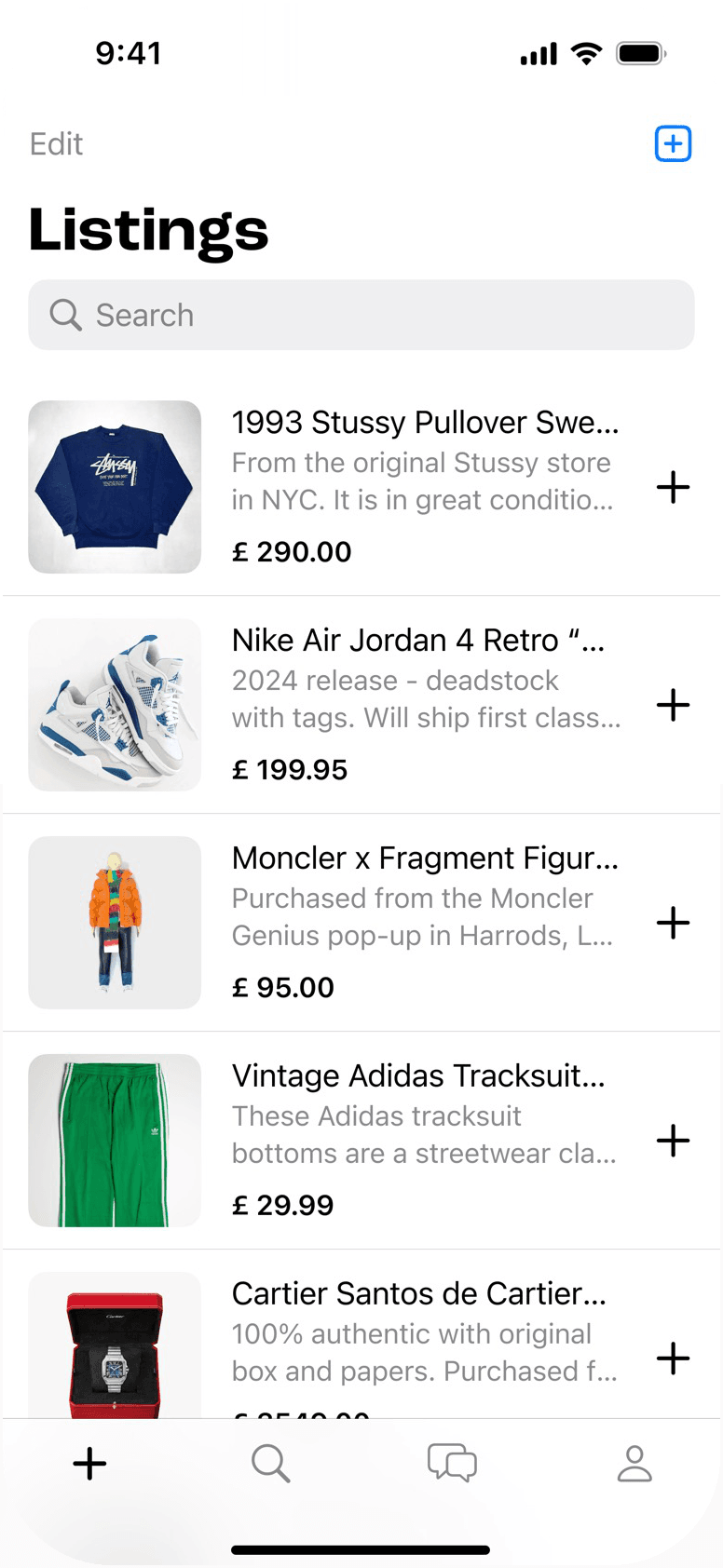
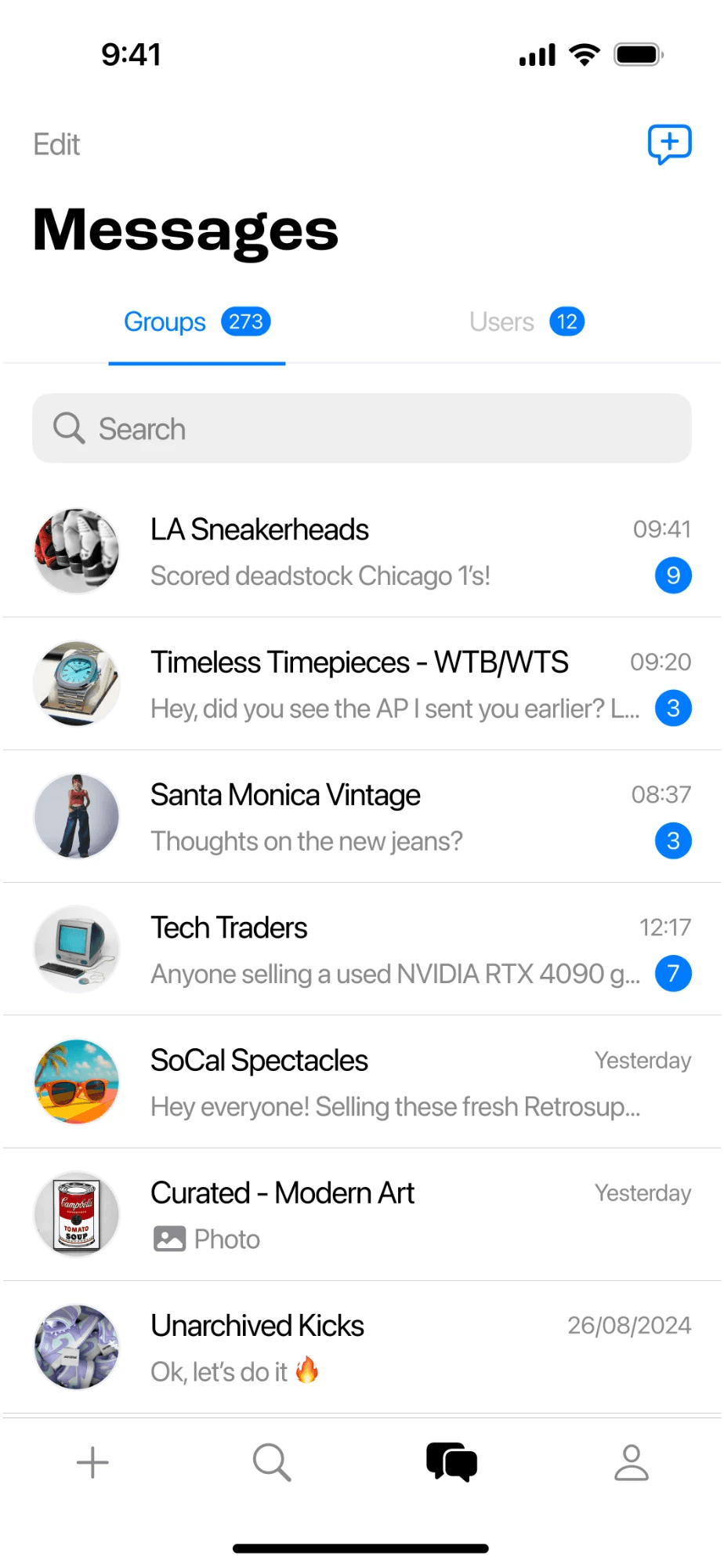
Listings that live in group chats
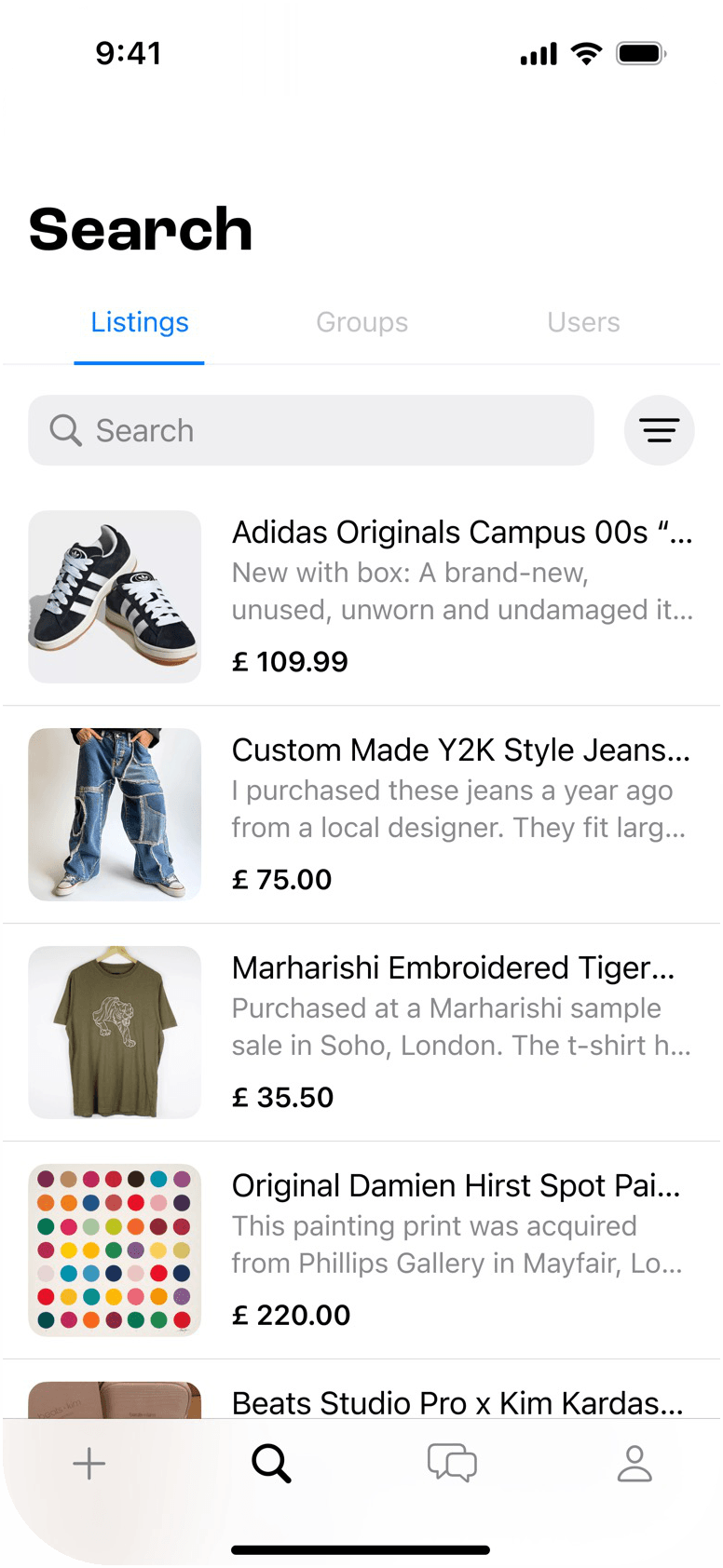
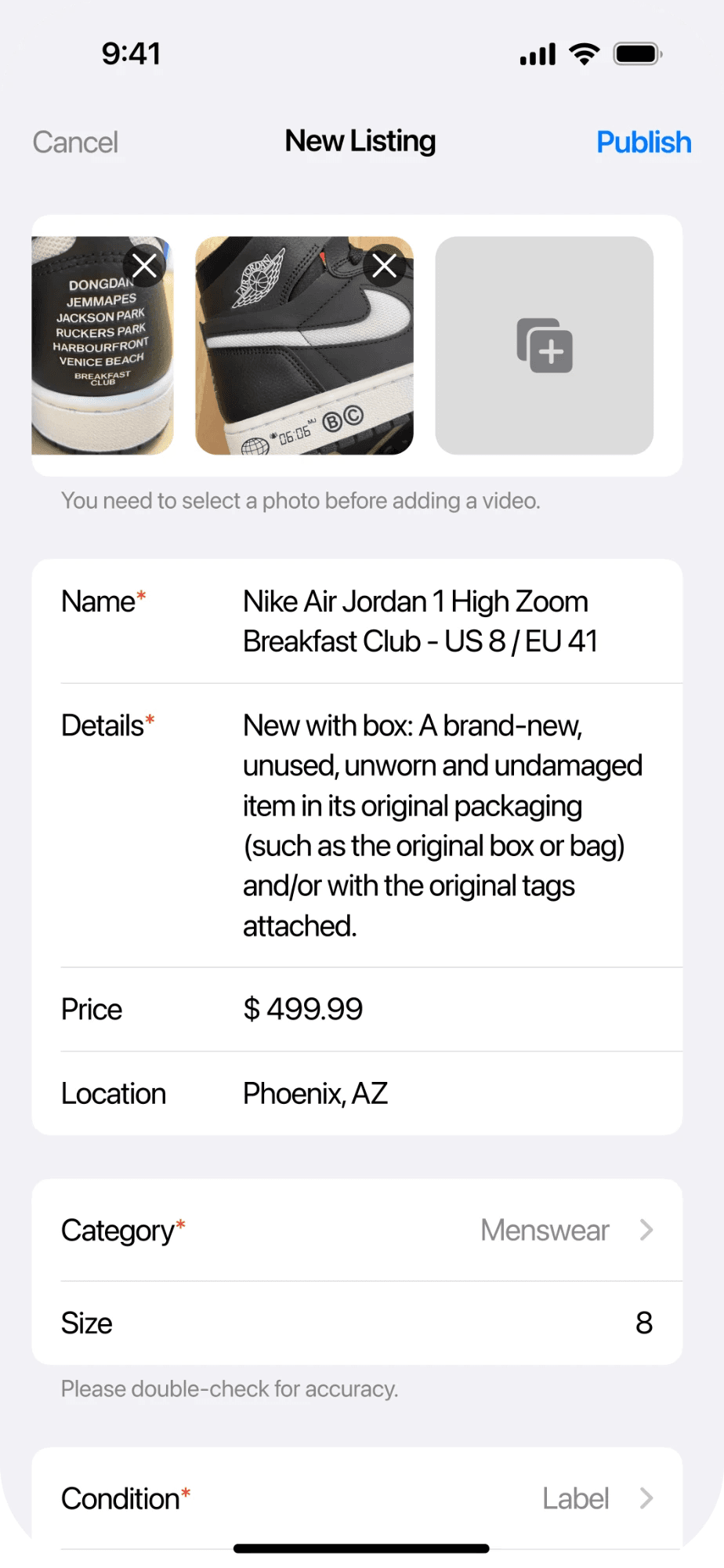
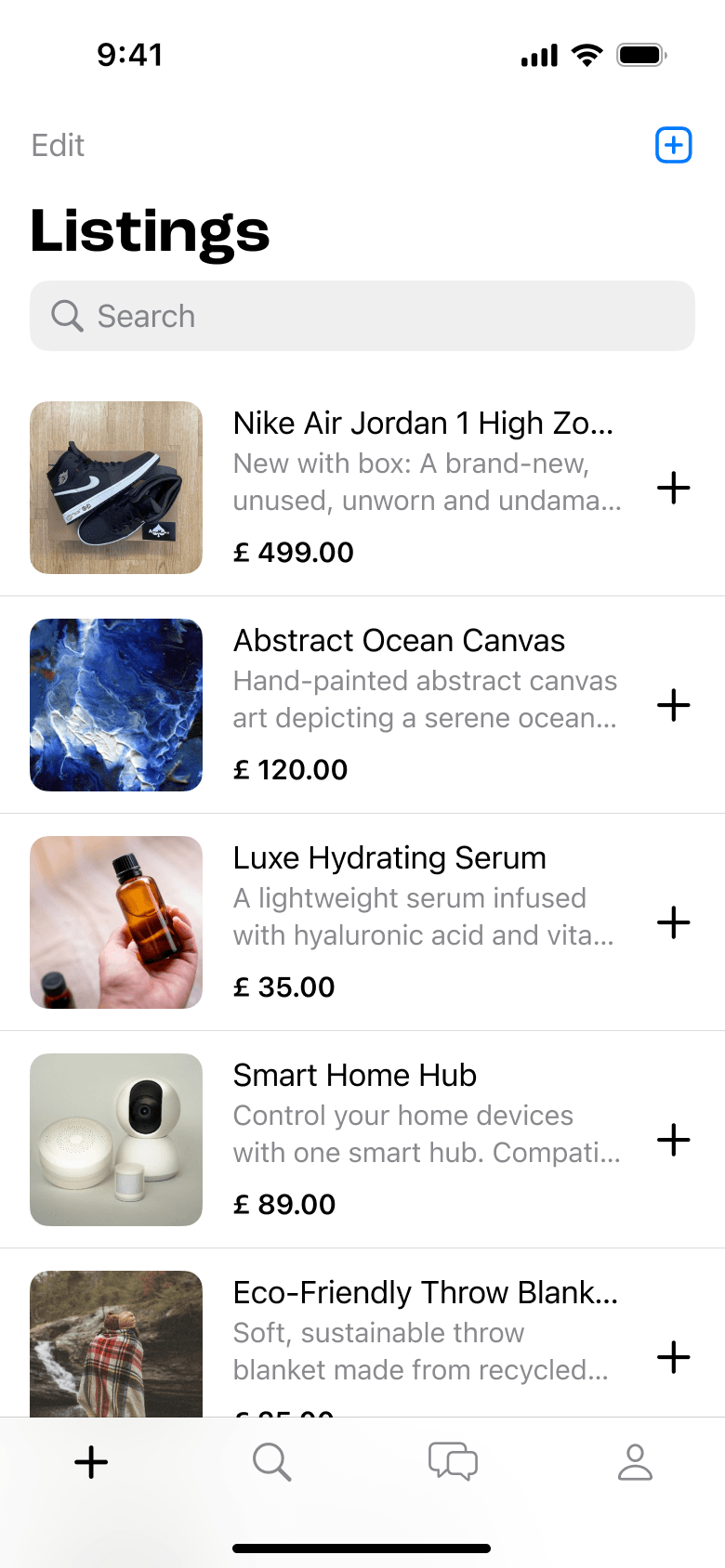
Sellers create private or public listings and share them straight into group chats. Buyers search across listings, groups, and profiles.
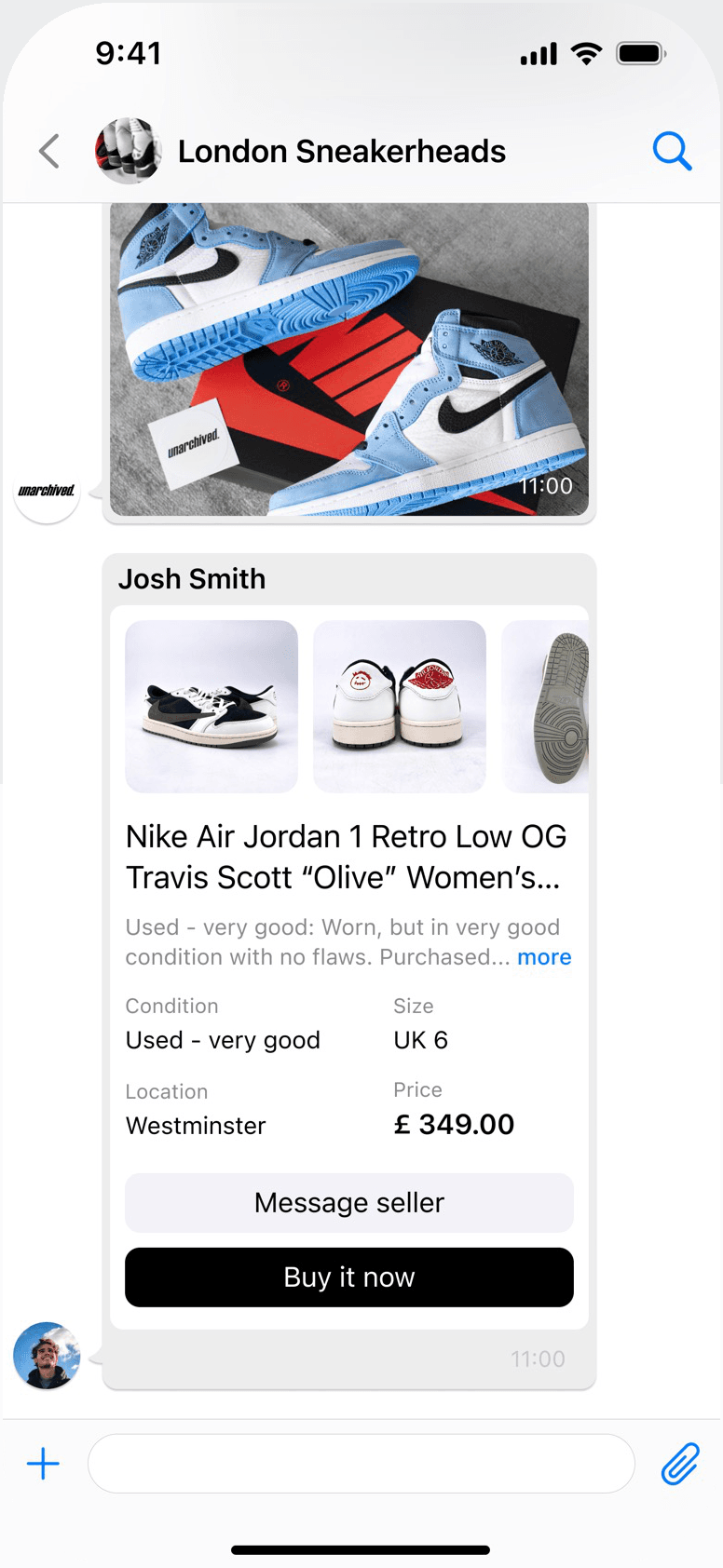
Offers without leaving the chat
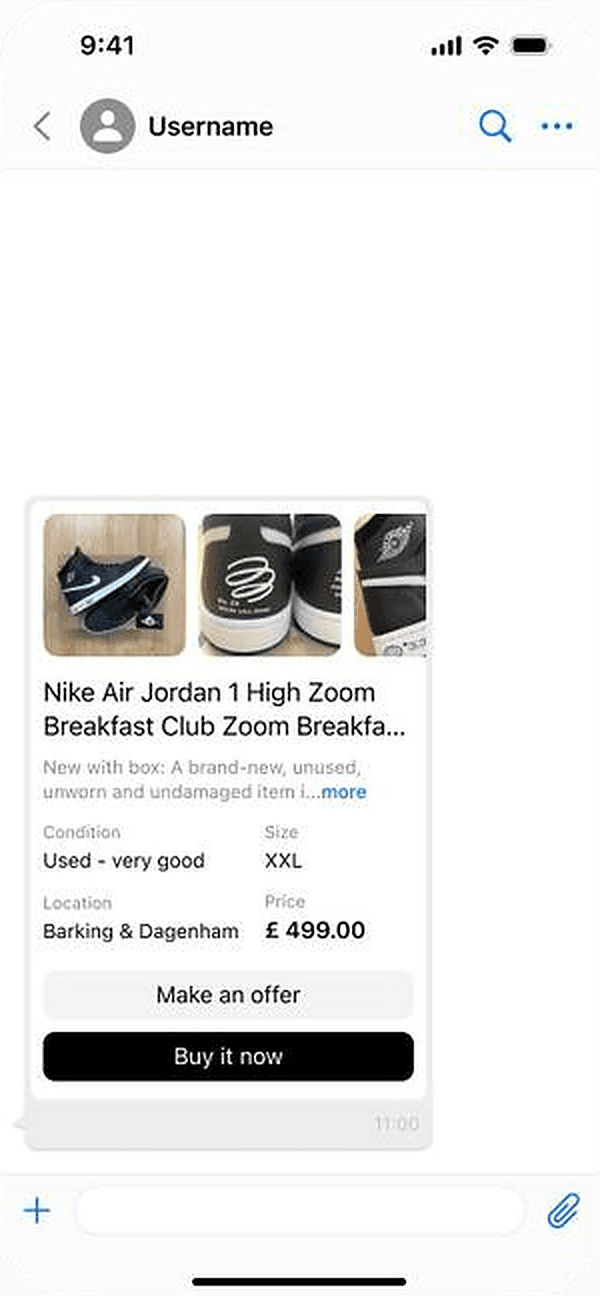
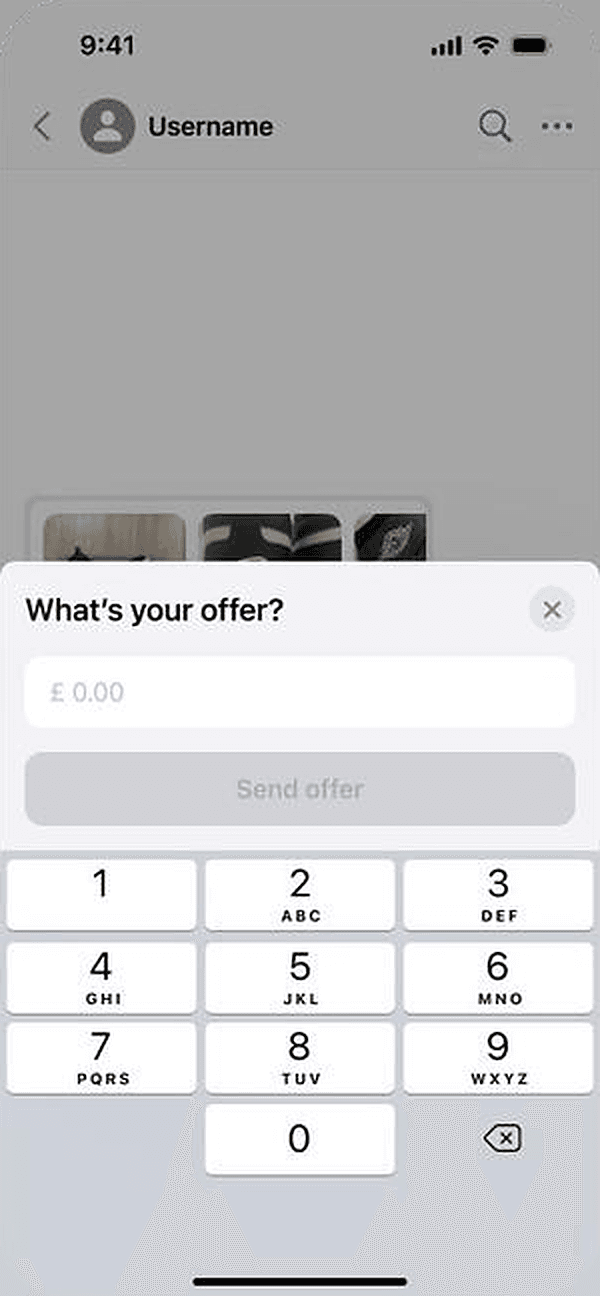
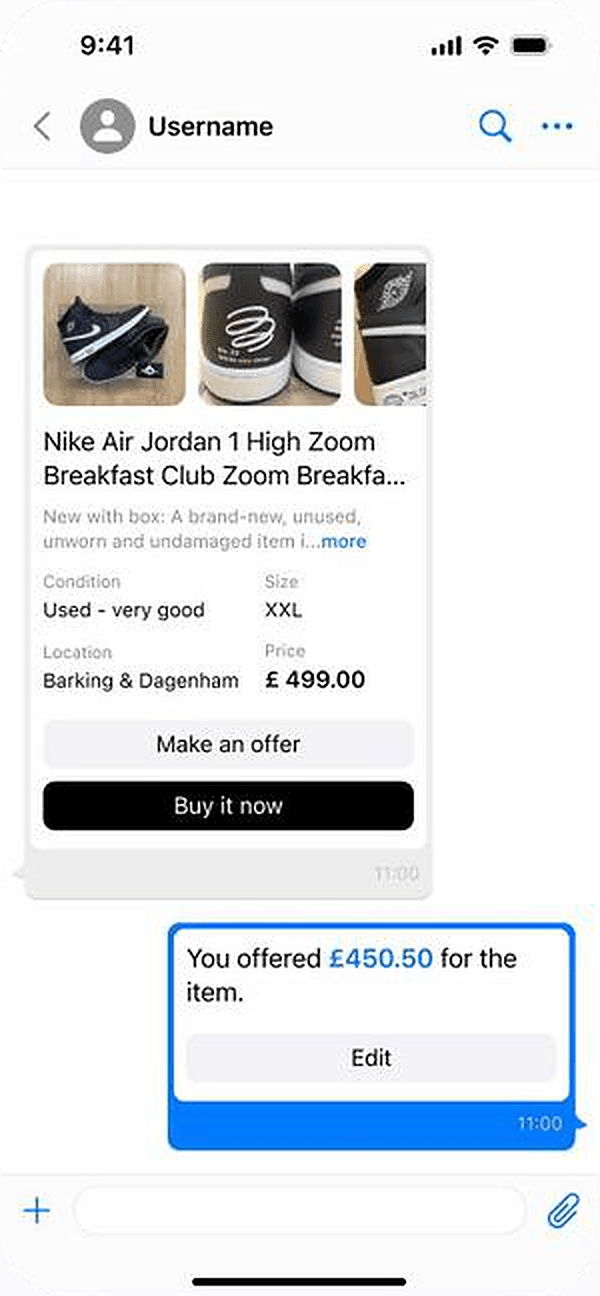
In a chat, a listing card lets buyers make an offer, message the seller, or buy it now. Offers stay in the thread, and Buy it now opens PayPal.
A layer of trust
Scams were the norm in the groups we wanted to replace, so trust had to be built into the product.
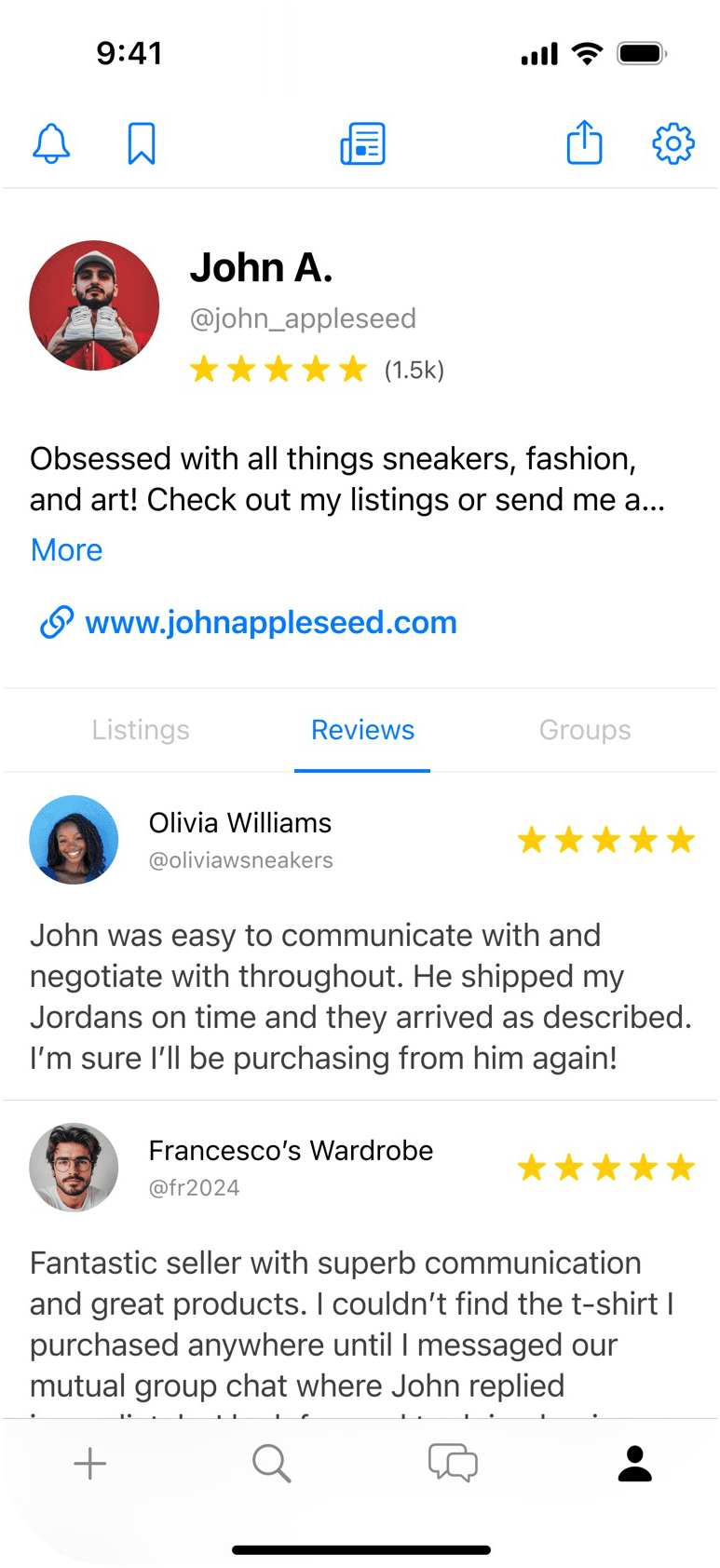
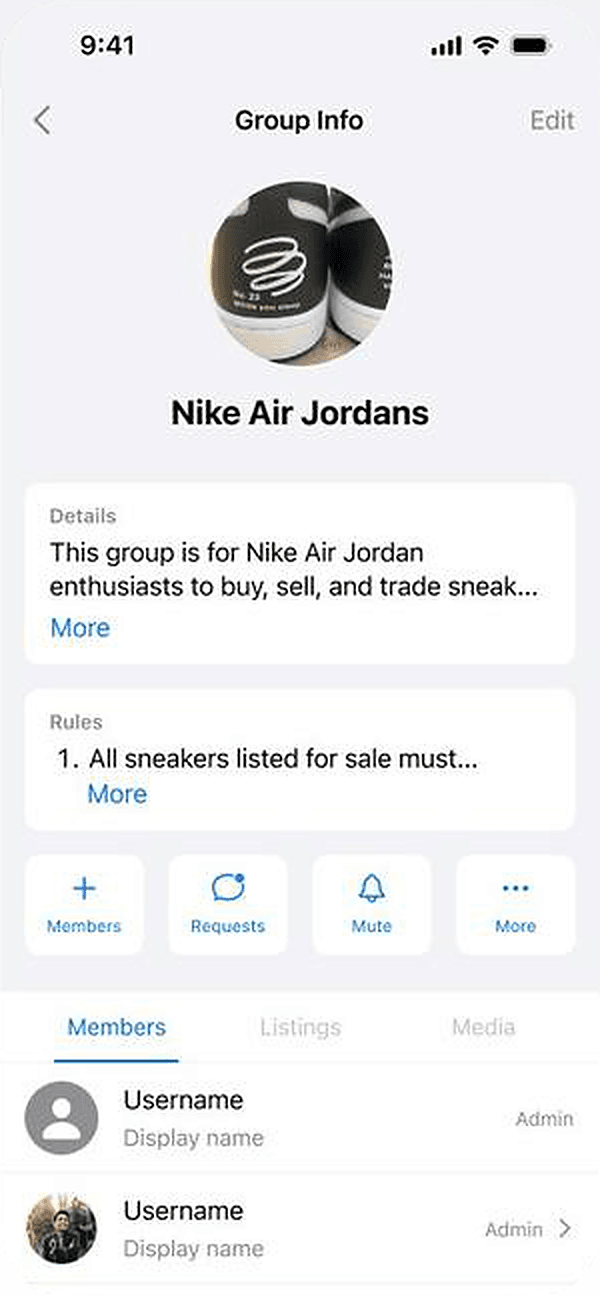
Groups can be invite-only. Admins read each applicant's answers to the group's questions before accepting them, and buyers check real reviews before they pay.
After the sale
Sellers track every sale in one place and add the carrier and tracking number. Buyers follow the delivery and leave a review.
How we built it
The app was built in Flutter for iOS and Android, with a Python backend, Firebase, and PayPal for payments.
I led the developers through the build. Getting there took two years and two outside engineering teams, before we hired two full-time engineering interns.
Testing and iOS 26
What testing showed
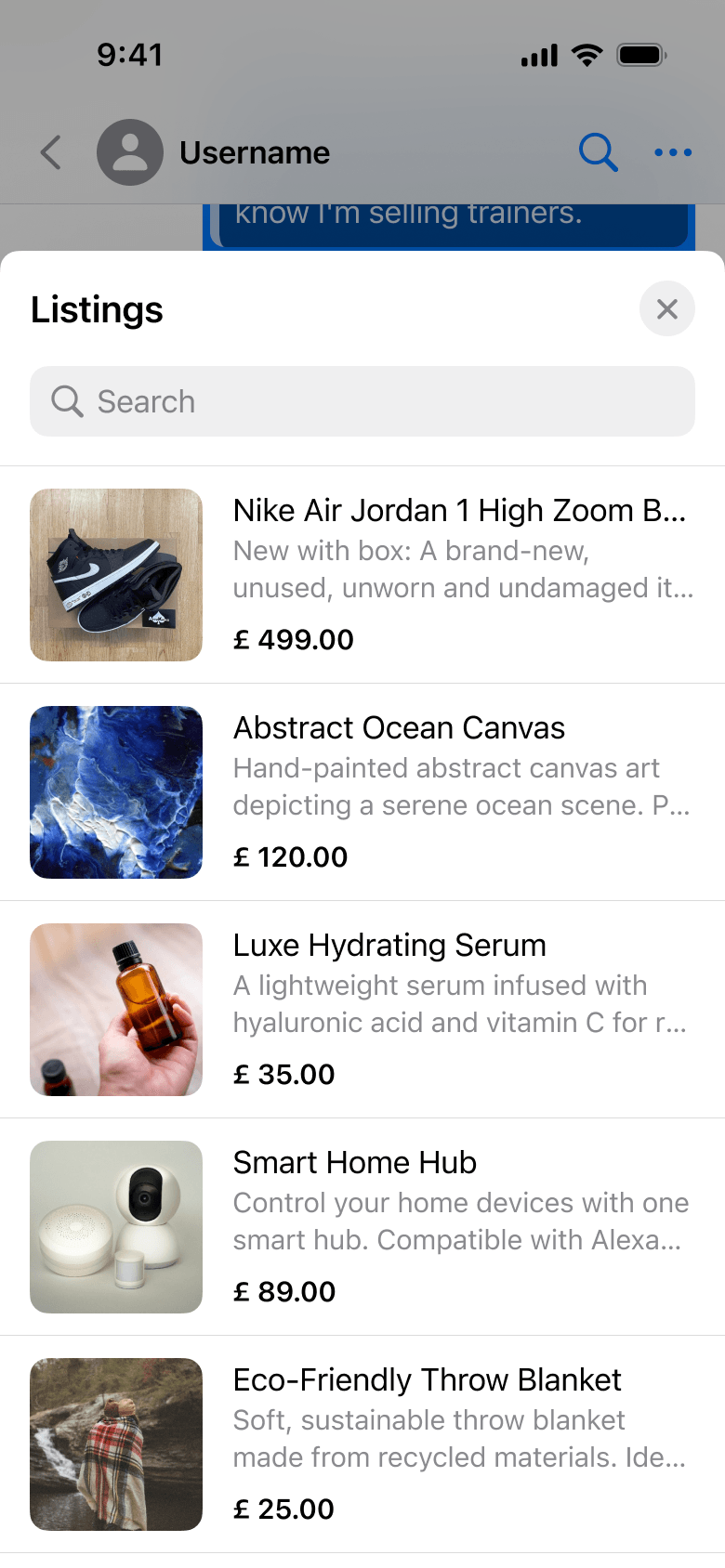
I ran think-aloud usability tests on the prototype with three people. They valued having Messages and Listings separate, a big improvement over WhatsApp and Discord resale chats.
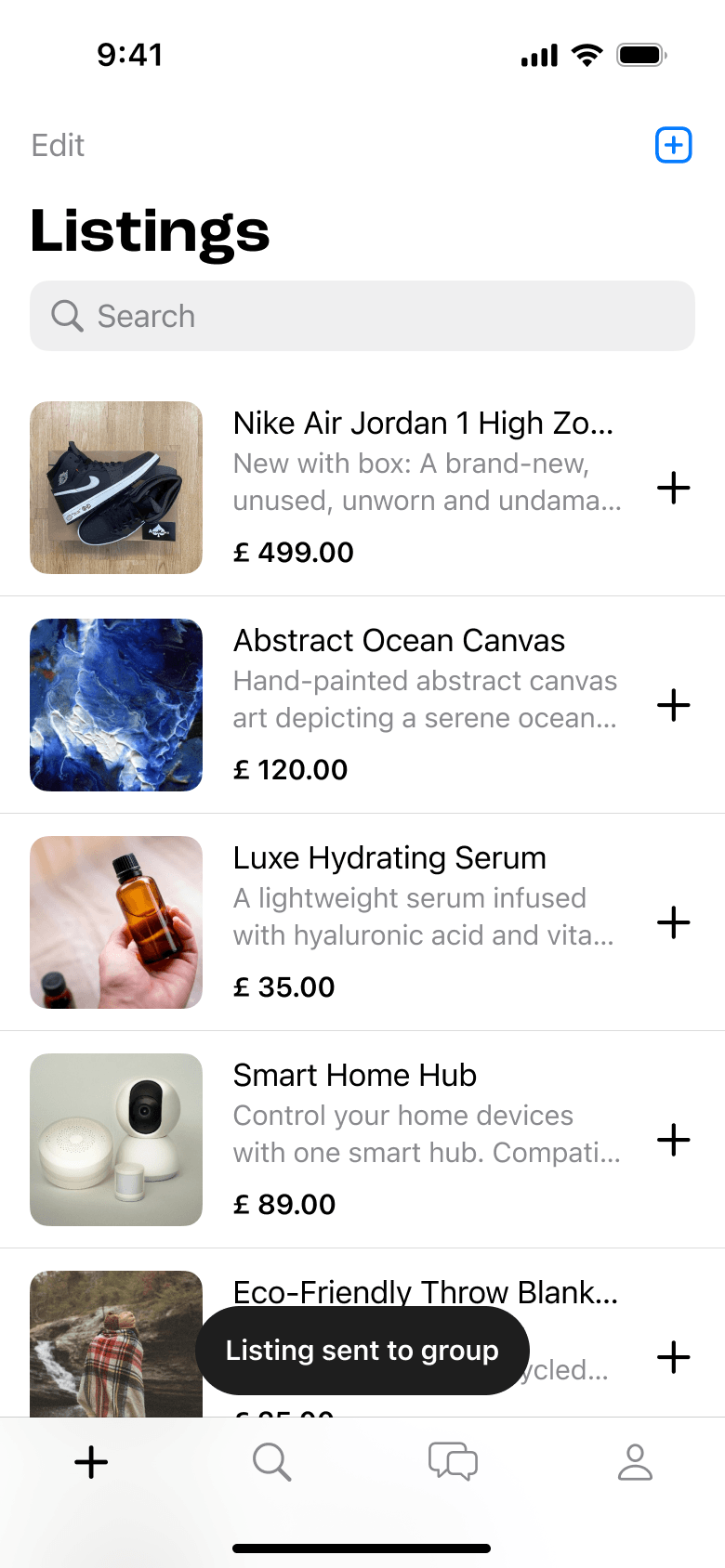
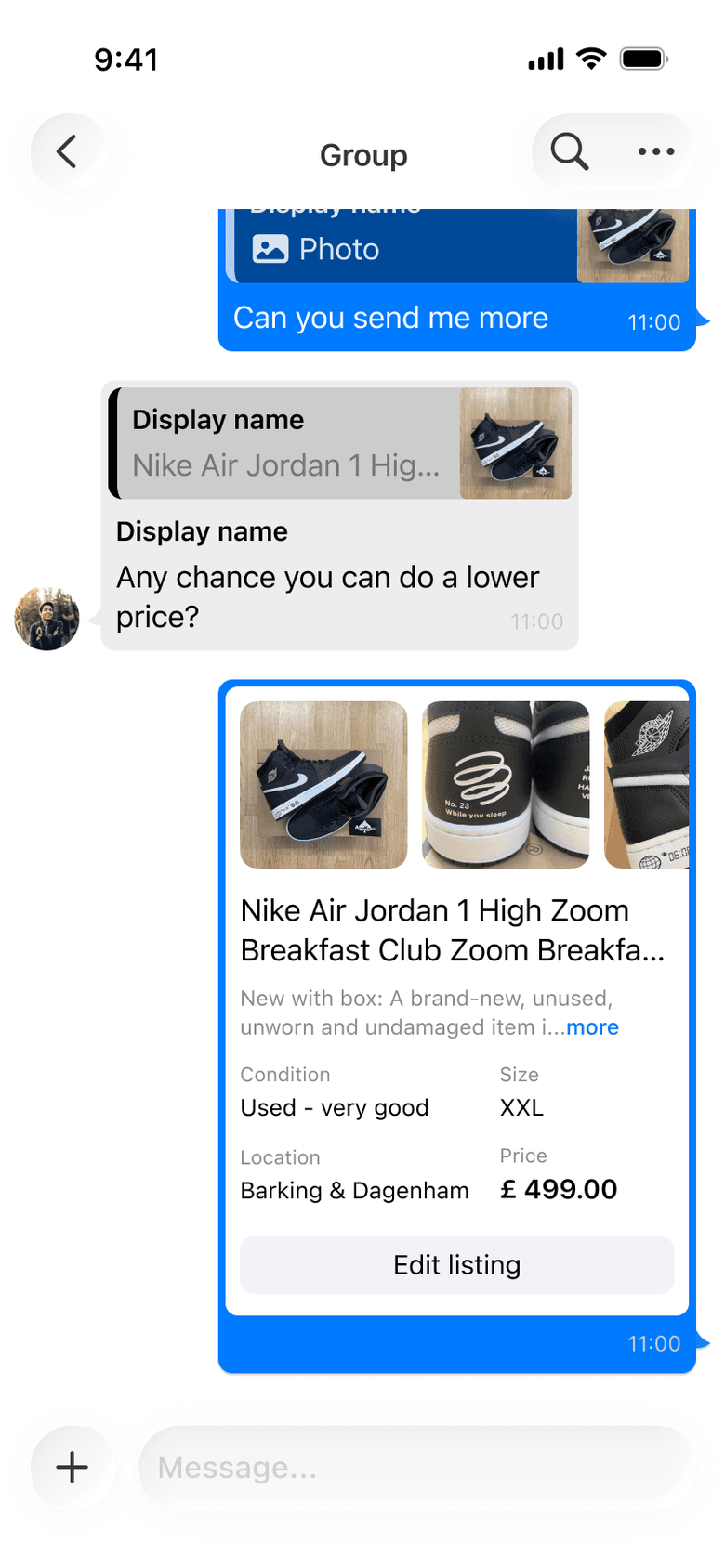
But they hesitated inside each section, and nothing confirmed that a listing had been sent. In the native design, sharing from Listings ends in a confirmation toast, and sharing from a chat drops the card straight into the thread.
Redesigned for iOS 26
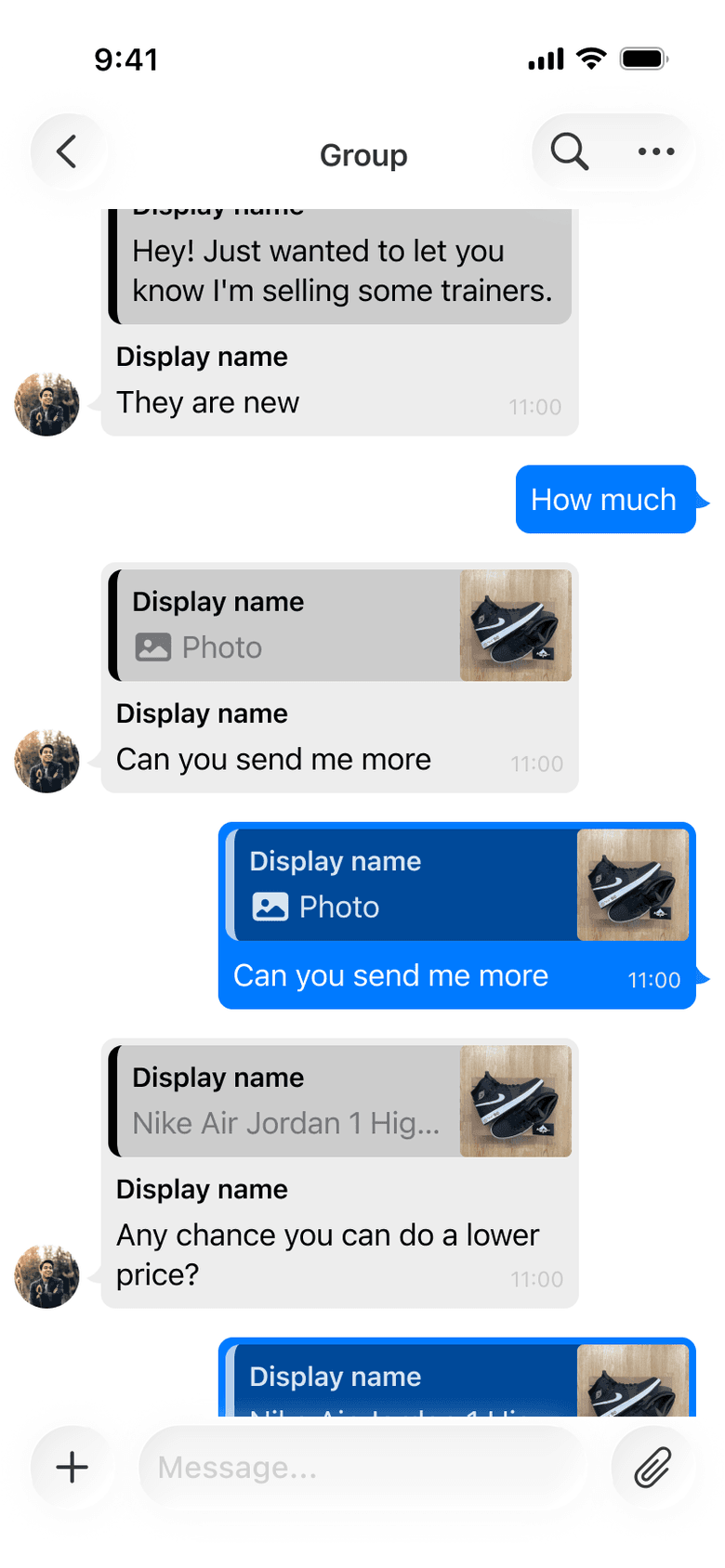
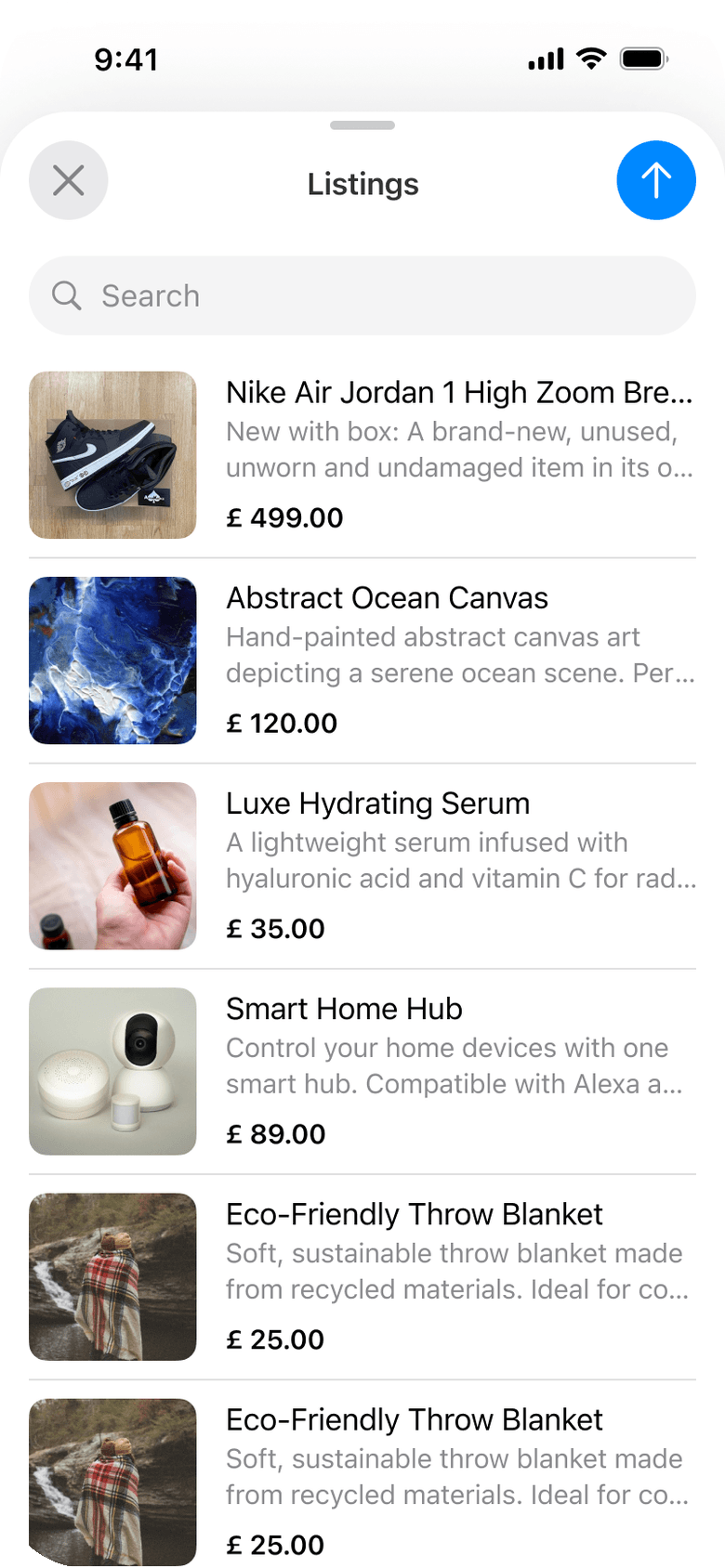
I carried the native in-chat flow into an iOS 26 Liquid Glass prototype, with lighter sheets and translucent surfaces.
Launch
UK first, then the US
Addlist launched on iOS and Android in the UK in Apr 2025, then expanded to the US.
To pull sneaker and streetwear groups over from WhatsApp, it was free for the first year, with a 5% commission planned after that.
Outcome and what I'm taking with me
Outcome
- $100K+pre-seed raised
- 5person team recruited
- UK + USlaunched on iOS and Android
We raised $100K+ in pre-seed funding from angel investors and USC IYA Innovation Quest.
We couldn't solve the cold start in time. Stores waited for buyers, buyers needed products to stay, and Addlist wound down in Jan 2026.
Understand the build you depend on
Working with our two engineering interns taught me to set deadlines grounded in a real understanding of the technical work, and to assume competence first.
What I carried into ZuZu
I built the technical fluency I lacked at Addlist. At ZuZu, I built the MVP myself.